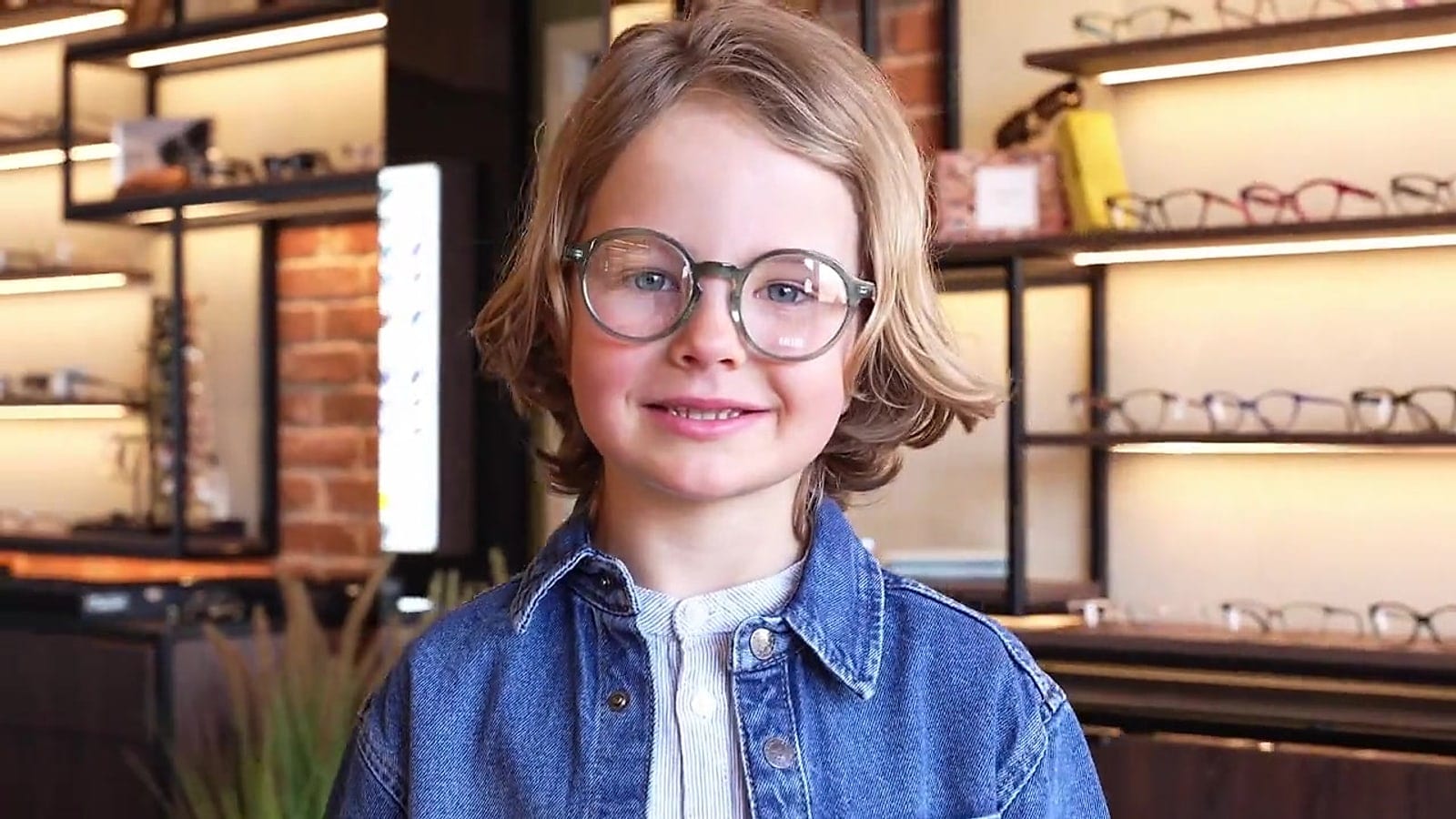
Children very rarely say "I can’t see properly." They assume the world looks the way it looks to them — so a vision problem can go unnoticed for years, quietly affecting their learning, confidence and development. A little awareness goes a long way.
The signs to watch for
Because children do not know what they should be seeing, it often falls to parents and teachers to spot the clues. Some are easy to miss.
- Sitting very close to the television or holding a tablet close to the face
- Squinting, frequent eye-rubbing or complaining of headaches
- Losing their place when reading, or avoiding reading altogether
- Difficulty concentrating at school, or a dip in performance
- One eye turning or drifting, particularly when tired

Why early matters more for children
A child’s visual system is still developing, and some conditions respond far better to treatment when caught young. Regular examinations — which are NHS-funded for children — let us pick up and address issues during the years when it makes the biggest difference. It is one of the most valuable check-ups your child can have.
Myopia, screens and the outdoors
Short-sightedness (myopia) is becoming more common in children, and it tends to progress as they grow. While screens are part of modern life, the evidence increasingly points to a simple, powerful protective factor: time spent outdoors in natural daylight. Encouraging regular breaks from close work, and plenty of outdoor play, genuinely helps. For children whose myopia is progressing, there are now specialist approaches designed to slow it down — something we are always happy to discuss.
Children deserve eyecare that feels calm and friendly, not clinical and rushed. Get that right, and a lifetime of good habits follows.← Back to the Journal